TL;DR: Lead paint testing helps you find hidden lead hazards before sanding, scraping, or demolition turns them into toxic dust. If your home was built before 1990, lead paint testing before renovation is one of the simplest ways to protect your family, avoid delays, and plan the job properly.
Why testing matters for your home renovation
Lead paint testing matters because it finds hidden lead before renovation work releases dangerous dust into your home. Older paint can look stable on the surface but still contain lead underneath newer layers. Once disturbed, that lead can spread through dust on floors, windows, tools, and furniture. Testing first helps you make safe decisions before the mess starts.
That is really the difference between a planned renovation and a reactive one. From an Industrial Hygiene perspective, the smoothest projects are usually the ones where hidden hazards are identified before anyone starts sanding or opening walls. A little planning up front can prevent a lot of cleanup, delay, and stress later.
Is my pre-1990 home at risk?
Yes, a home built before 1990 should be treated as a possible lead paint risk until testing says otherwise. Lead was widely used in older paint because it made coatings harder and more durable. In Canada, restrictions started in the 1970s, but lead was not effectively removed from consumer paint until around 1990. That means many older homes still have lead paint on interior or exterior surfaces.
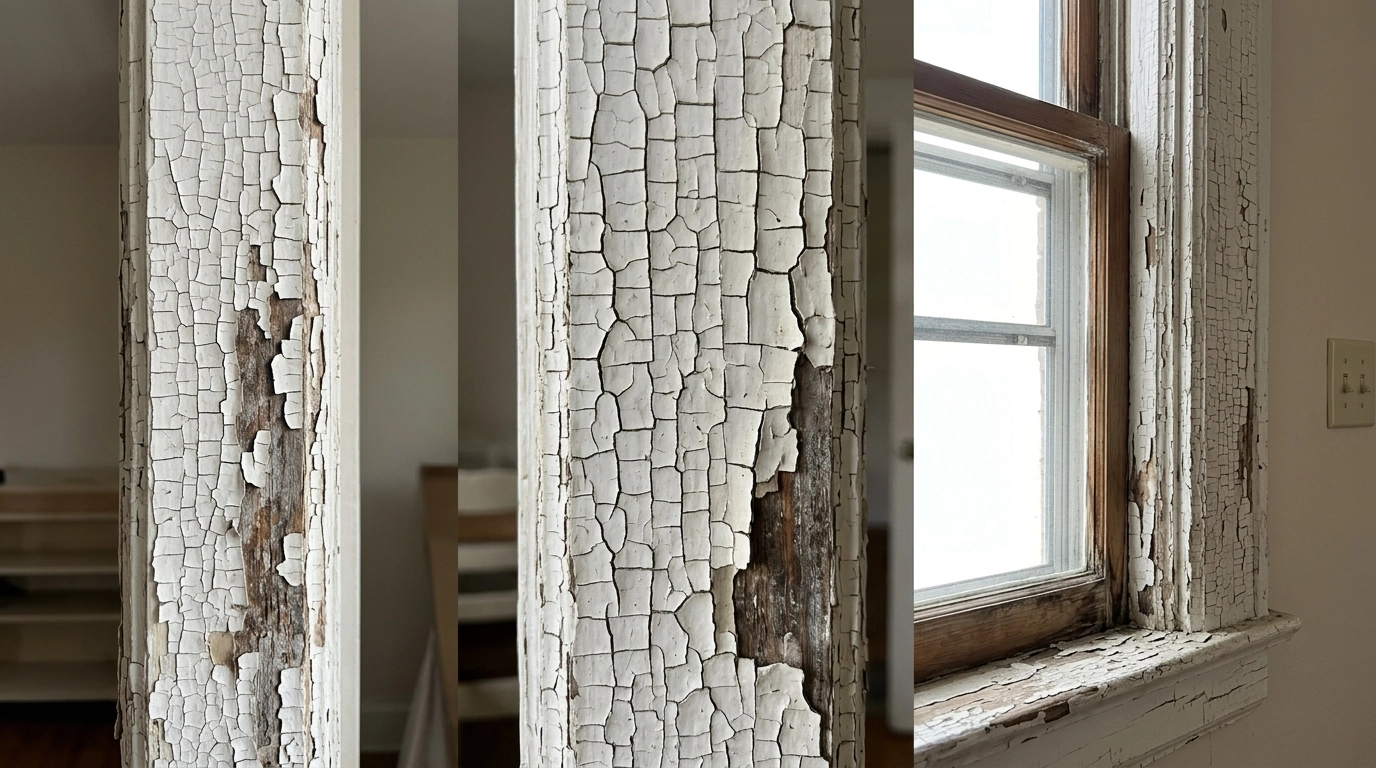
The challenge is that lead paint is often not obvious. It may be hidden under newer coats, or only show up in worn areas where doors, windows, and trim have taken years of use. That is why lead paint testing is such a practical first step when you are planning to renovate an older home.
Common high-risk spots include:
- Window sills and frames
- Doors and door frames
- Stair railings
- Baseboards and trim
- Exterior siding and soffits

Why is lead paint a problem during renovation?
Lead paint becomes a real problem when renovation work breaks it apart and creates dust. Sanding, scraping, drilling, cutting, or demolition can release fine particles that are easy to breathe in or swallow. Children, pregnant people, and anyone spending time in the home are especially vulnerable. Even simple friction from doors and windows can create lead dust over time.
This is where small jobs can become bigger health concerns. Dust does not stay neatly in one room, and it can move through the home on shoes, tools, clothing, and air currents. That is why professional lead paint testing before renovation is often much easier than dealing with contamination after the work has already started.
What health problems can lead exposure cause?
Lead exposure can affect the brain, nervous system, and overall health, even at low levels. In adults, exposure can contribute to headaches, memory issues, high blood pressure, and fatigue. In children, lead can affect learning, behaviour, and development. Health Canada provides public information on lead risks and exposure prevention if you want background reading: Health Canada: Lead-based paint.
A simple rule we often share is this: if dust may contain lead, take it seriously. You cannot judge the risk by sight alone, and low-level exposure can still matter over time. That is one reason testing and cleanup planning are so important for family homes.
How does professional lead paint testing work?
Professional lead paint testing checks painted surfaces directly so you know where lead is present before work begins. It is faster, more reliable, and more complete than guessing based on age or paint condition alone. At Built Environments Canada, testing is part of a clear, practical process designed to support safe renovation planning. You can learn more about our environmental consulting support on the Services page.
For homeowners, the real benefit is clarity. Instead of wondering whether every painted surface is a problem, you get a better understanding of what is in the renovation area and what that means for the next step. That helps the whole project feel more manageable.

How does professional XRF testing work?
XRF testing gives fast, non-destructive readings on painted surfaces. The analyzer measures the elements in the paint layers and can quickly identify whether lead is present. That means many surfaces can be checked during one visit without cutting into every wall or trim piece. It is one of the most efficient ways to screen an older home before renovation.
Pro tip from an Industrial Hygiene perspective: XRF testing is especially useful when a home has been updated in stages over the years. It helps separate assumptions from actual conditions, so you can focus on the surfaces that matter most to the renovation scope.
When is lab testing used instead?
Lab testing is used when a physical sample is needed for confirmation or documentation. In those cases, paint chip samples are collected and sent to a laboratory for analysis. This can help confirm lead content by weight and support project planning, contractor coordination, or compliance requirements. The right method depends on the surface, the project scope, and the level of detail needed.
In some projects, that added confirmation is helpful for records, contractor coordination, or peace of mind. Sometimes a combination of XRF screening and lab sampling gives the clearest picture. The goal is not just to collect data, but to give you information you can actually use.
What happens during a pre-renovation lead survey?
A pre-renovation lead survey identifies the materials that may be disturbed and tells you where lead hazards are located. This helps you avoid surprises after the project starts. It also helps with budgeting, scheduling, and deciding whether specialized controls are needed. For older homes, it is one of the smartest steps you can take before opening up walls, trim, or painted assemblies.
It also makes the rest of the project easier to organize. When the survey is tied to the actual work plan, you can see which areas need extra care and which ones may not. That kind of clarity is useful for both homeowners and contractors.
What are the basic steps?
The process is straightforward: inspect, test, report, and plan. Most projects follow a simple sequence that keeps the information clear and actionable.
- Initial consultation: We review your renovation plans and the age of the property. You can start with a free 15-minute conversation on our Contact page.
- On-site inspection: We identify painted materials likely to be disturbed.
- Testing: We use XRF and, where needed, physical sampling.
- Reporting: You receive clear findings and practical next steps.
- Action plan: You move forward with the right controls, removal approach, or containment plan.
It is a simple process on paper, but it can make a big difference once work starts. Clear reporting helps homeowners ask better questions and gives contractors a better basis for planning safe work.
What happens if lead is found?
If lead is found, the next step is to control the dust and plan the work safely. Finding lead does not mean your renovation has to stop. It means the project needs the right containment, cleaning, and handling methods. Early testing gives you time to do that properly instead of reacting mid-project.
This is often where people expect the worst, but a positive result is still useful information. It gives you a chance to plan the job properly instead of discovering the issue halfway through demolition. In most cases, the real problem is not finding lead. It is finding it too late.
How is lead-safe renovation managed?
Lead-safe renovation focuses on keeping dust contained and out of occupied areas. Common controls include plastic containment, controlled work zones, wet methods, and HEPA cleanup. Standard sweeping or a regular shop vacuum is not enough for lead dust. When needed, specialized contractors can remove or manage lead-containing materials safely.
One practical tip is to think beyond the room where the work is happening. Dust can travel through nearby spaces, HVAC pathways, and traffic routes if containment is not set up well. Good lead-safe work is really about controlling how dust moves through the home.

Do I need air or clearance testing after removal?
Sometimes yes, especially when you want confirmation that cleanup was effective before the space is used again. Clearance or follow-up testing helps verify that lead dust has been properly controlled after the work is done. This is especially useful in homes with children, occupied renovation areas, or larger disturbance projects. If indoor dust or airborne contaminants are part of the concern, our Indoor Air Quality Testing services can help support a safer re-occupancy plan.
For many families, this extra step is about peace of mind as much as process. Finishing the work is one milestone. Knowing the space has been cleaned well enough to use again is another.
Can I just use a DIY lead test kit?
DIY kits can miss lead, especially when older lead paint is buried under newer layers. They may be useful for a quick screen, but they are not a reliable substitute for professional testing before renovation. False negatives are a real problem. If you are making project decisions, it is better to work from solid data.
A quick kit can feel like an easy answer, but it can also create false confidence. If the result is wrong, the renovation plan is wrong too. For anything involving sanding, scraping, or demolition, professional lead paint testing gives you a much stronger basis for decision-making.
How do I get a quote for lead paint testing?
The easiest next step is to request a quote before renovation begins. If your home is pre-1990, or you are planning to disturb painted surfaces, now is the right time to test. Built Environments Canada provides clear reporting, responsive service, and a scientific approach that helps you move forward with confidence. Reach out through our Contact page to book your free 15-minute initial consultation.
The earlier you line this up, the easier it is to keep your renovation moving on schedule. Even a short call can help clarify whether you need screening, sampling, or a fuller pre-renovation lead survey. That way, you can make decisions early and avoid surprises later.
Get a Quote
Want to know if lead paint is hiding in your renovation area? Get a quote before you start sanding, scraping, cutting, or demolition. We can help you identify lead hazards, understand the results, and plan the next step with less guesswork.
- Request your quote through the Contact page
- Review our broader support on the Services page
- Start with a free 15-minute initial consultation
Key Takeaways
- Homes built before 1990 may still contain lead paint under older or newer paint layers.
- Testing before renovation helps prevent toxic lead dust from spreading through your home.
- Professional XRF testing is fast, practical, and more reliable than DIY kits for renovation planning.
- If lead is found, proper containment and cleanup can keep the project moving safely.