TL;DR: Managing indoor humidity and addressing leaks within 48 hours is the most effective way to prevent mould from ever taking root in your home. By mastering building science basics like proper grading and ventilation, you can ensure a healthy environment without the need for expensive remediation.
What is the link between moisture and mould growth?
Moisture is the single most important factor because it is the only variable in the mould equation that humans can actually control. Mould spores are everywhere, literally floating in the air right now, and they only need organic "food" (like your drywall) and a little bit of water to start a colony. In the world of building science, we focus on the "4 Ds": Design, Deflect, Drain, and Dry to ensure that water never has a chance to sit long enough to cause trouble. If you keep things dry, mould simply cannot grow, no matter how many spores are present.
Why is the 48-hour window so critical after a leak?
You have approximately 48 hours to dry out wet materials before mould begins to colonize and spread significantly. While microscopic growth can start sooner, the two-day mark is the industry standard for when "wet" becomes a "mould problem." If you experience a burst pipe or a heavy rain leak, your priority should be extraction and evaporation immediately. If porous materials like carpets or insulation stay soggy past this window, they often need to be removed rather than just dried, which can triple your repair costs.
How does the 30-50% humidity rule work?
Maintaining relative humidity between 30% and 50% keeps your air comfortable for you but too dry for mould to thrive. Most mould species require a surface relative humidity of about 70% to become active and start growing on building materials. By keeping your indoor air consistently below 50%, you create a massive safety buffer that prevents condensation on cold windows or inside wall cavities. If your humidity spikes above 60% for long periods, you are essentially inviting microscopic guests to move in and start eating your house.

Is a hygrometer really a homeowner’s best friend?
Yes, because a hygrometer is the only way to "see" the invisible moisture levels that lead to air quality issues. You can’t accurately feel the difference between 45% and 65% humidity, but your house certainly can. These devices are inexpensive, easy to read, and provide the data you need to know when it’s time to turn on a dehumidifier or crack a window. We recommend placing one in the basement and one in the main living area to monitor your home's "breathability" year-round.
What exterior maintenance prevents interior moisture?
Effective moisture control starts outside by ensuring water is actively directed away from your foundation and roof. Most basement dampness isn't caused by high water tables, but by poor grading and neglected gutters that dump hundreds of gallons of rain right next to your walls. By maintaining a positive slope (ground sloping away from the house) and using downspout extensions, you stop the "bulk water" before it ever has a chance to seep through your foundation.

Why are gutters and grading more important than waterproofing?
It is much cheaper and more effective to move water away from the house than it is to try and keep it out once it’s already pressing against the walls. Think of grading and gutters as your home’s "first responders." If your gutters are clogged or your soil slopes toward the house, you are essentially creating a moat around your foundation. Even the best waterproofing sealants eventually fail under the constant pressure of standing water, which is why building performance assessments always start with a walk around the exterior.
How does proper ventilation stop moisture buildup?
Ventilation isn't just about moving air; it's about strategically exhausting moisture-laden air from high-risk zones like bathrooms and kitchens. When you shower or boil pasta, you are releasing gallons of water vapor into your living space. If that air isn't physically pushed outside by an exhaust fan, it will eventually find a cold surface (like an attic or a corner of a closet) to condense on and grow mould. Ensuring your fans are actually vented to the outdoors: not just into the attic: is a critical step in optimizing indoor air quality.
Why shouldn't you just open a window?
Opening a window can sometimes make the problem worse if the outdoor air is more humid than the indoor air. In the middle of a humid summer or a rainy day, "fresh" air might actually be adding fuel to the fire. Mechanical ventilation, like bathroom fans and Heat Recovery Ventilators (HRVs), allows for controlled air exchange that can help manage moisture levels without relying on the whims of the weather.
Why should you choose an unbiased consultant over a restoration company?
An unbiased consultant has no financial interest in finding a "problem" because we don't make money from the cleanup or repairs. Restoration companies often offer "free" inspections, but their business model relies on selling you thousands of dollars in remediation services. At Built Environments Canada, we provide a scientific, third-party assessment. We tell you exactly what is going on, why it’s happening, and whether you actually need professional help or just a simple weekend DIY fix. Our goal is peace of mind, not a big construction contract.

When is it time to call the pros?
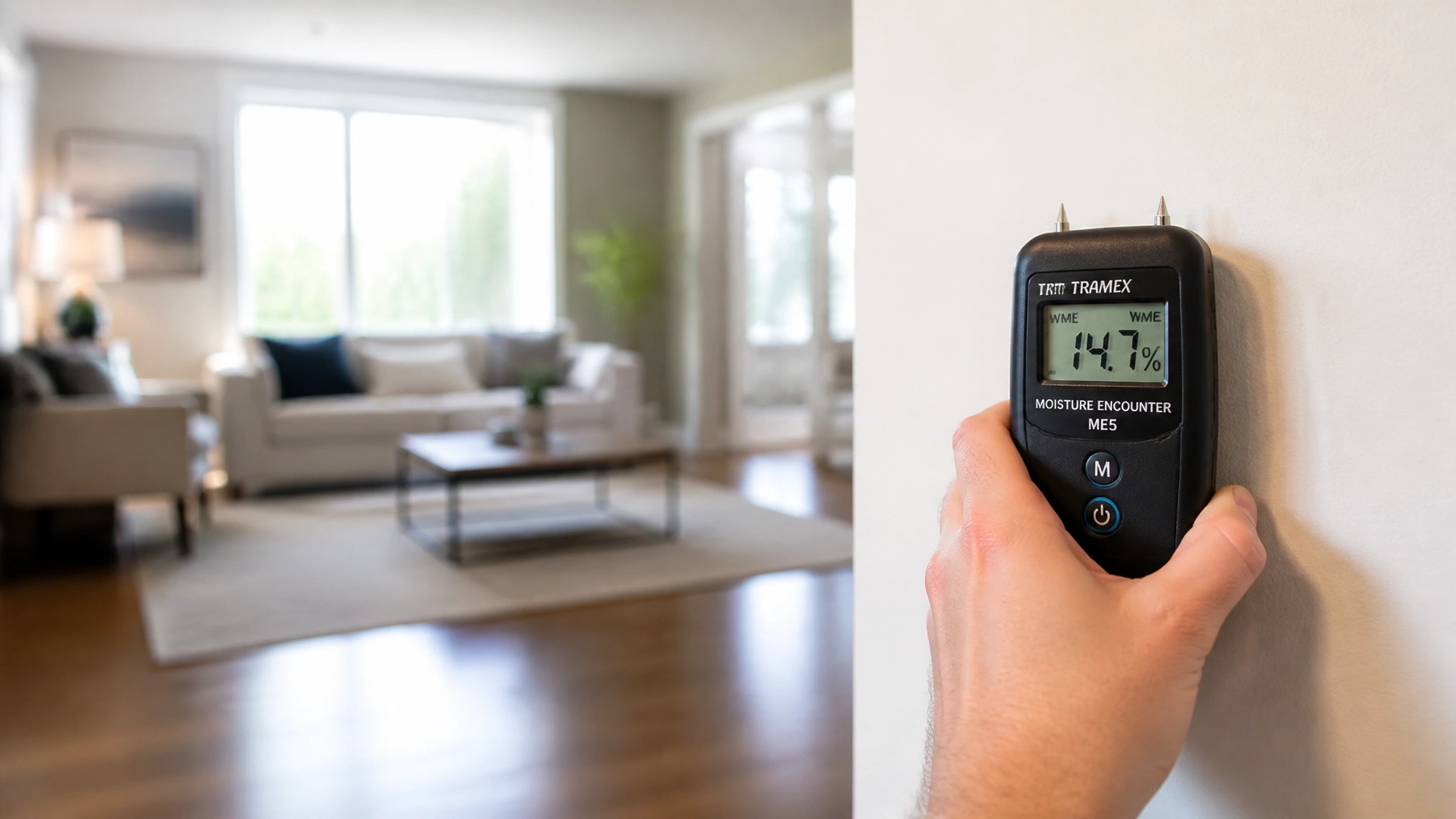
You should call a specialist if you smell a persistent "musty" odor, see visible growth larger than a square meter, or if family members are experiencing unexplained health issues. We use advanced tools like infrared cameras and moisture meters to find what the naked eye misses. Whether you are buying a new home or managing a commercial property, getting the facts first saves you from overpaying for unnecessary work.
Get a Professional Opinion
Don't guess when it comes to your health and your home's structural integrity. We offer a free 15-minute initial consultation to help you decide if you need formal testing.
Contact Us Today | View Our Services
Key Takeaways
- Speed is everything: Dry any leaks or floods within 48 hours to prevent mould from colonizing.
- Watch the numbers: Use a hygrometer to keep your home's relative humidity between 30% and 50%.
- Check your slope: Ensure your yard slopes away from the foundation and your gutters are clear and extended.
- Ventilate at the source: Use exhaust fans in bathrooms and kitchens every time you create steam.
- Get an unbiased view: If you suspect a problem, hire a certified industrial hygienist who doesn't benefit from the remediation.